


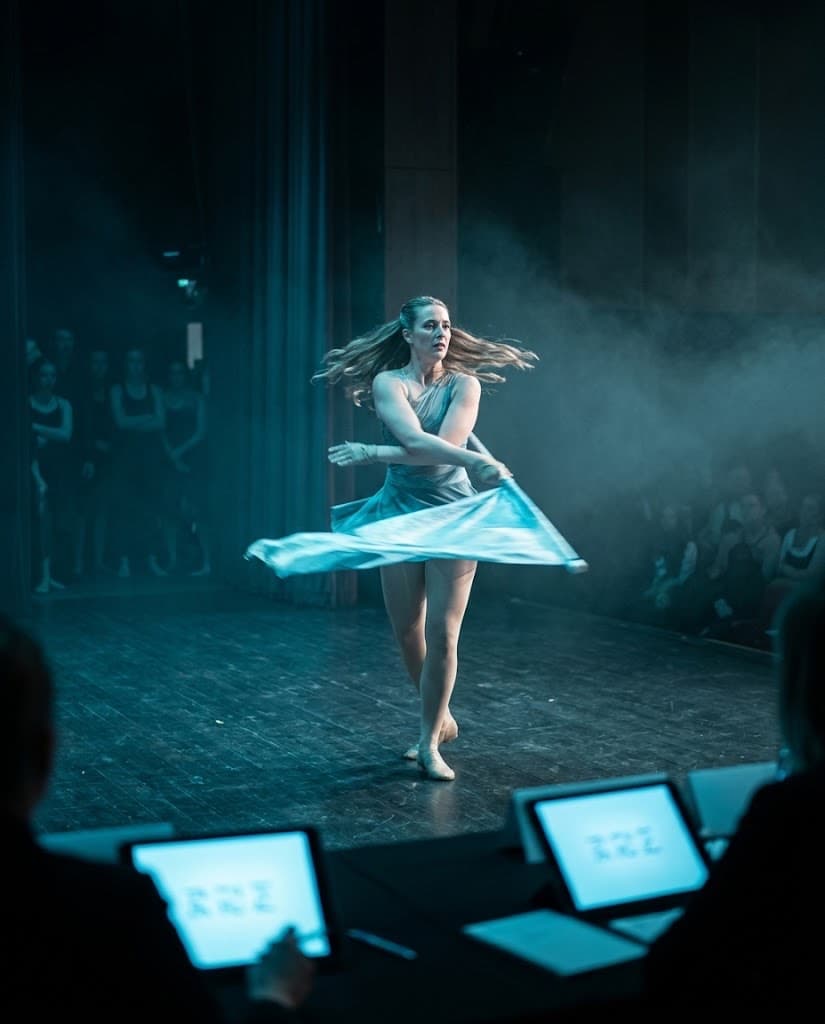
 Dance competition running order
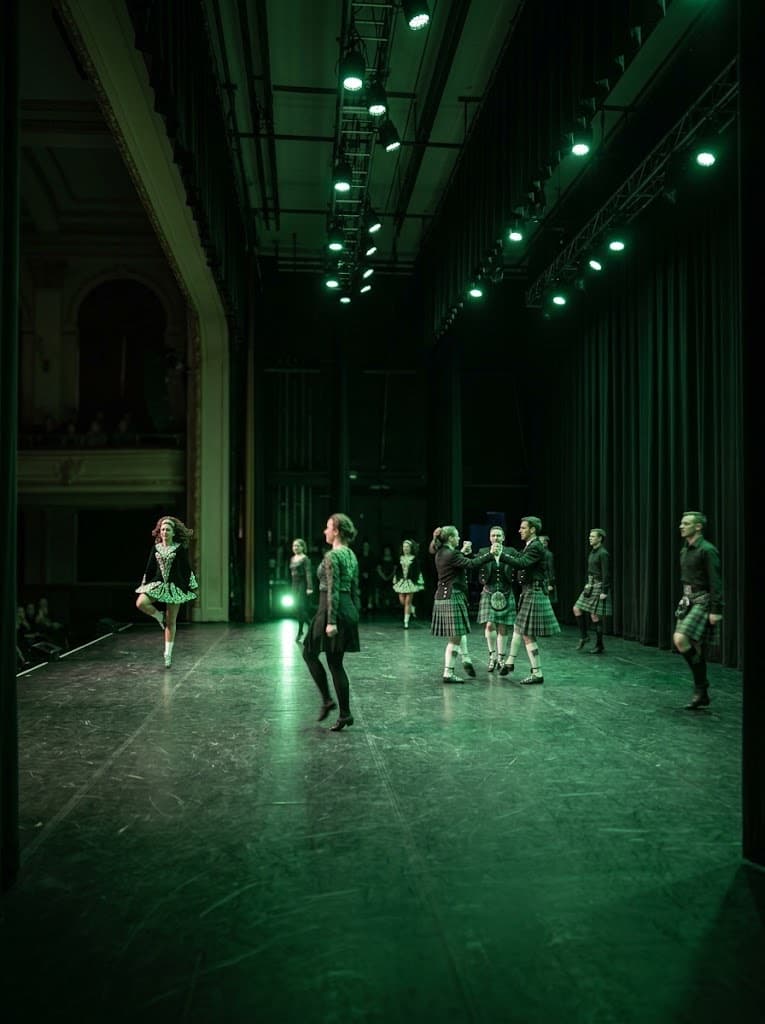
Group by section first
Start with your sections, not your dancers. Put each style, age group and level together so judges mark like with like and families know roughly when to arrive.
Choose how to draw
There are three common ways to order dancers within a section. Pick one and tell schools in advance so it feels fair.
- ✓Random draw: fairest, and the most common
- ✓Seeded: strongest dancers last, often used for finals
- ✓Entry order: simple, but rewards whoever entered first
Check for clashes
A dancer in a solo, a duet and a group can easily be due twice in a row. Leave at least five routines between appearances, and more if there is a costume change.
Balance the day
Spread large groups across the day so the dressing rooms never overflow. Put the youngest dancers early, schedule breaks for judges, and leave a buffer before the awards.
- ✓Youngest sections in the morning
- ✓A judges’ break every two hours
- ✓Big groups spread out
- ✓Twenty minutes of buffer before awards
Estimate times honestly
Add each routine’s music length, plus thirty to sixty seconds for walking on and off. Most competitions run late because this gap is left out.
Publish and keep it live
Publish the running order a week before. On the day, update estimated times when the stage runs late so families are not waiting in the corridor.


