


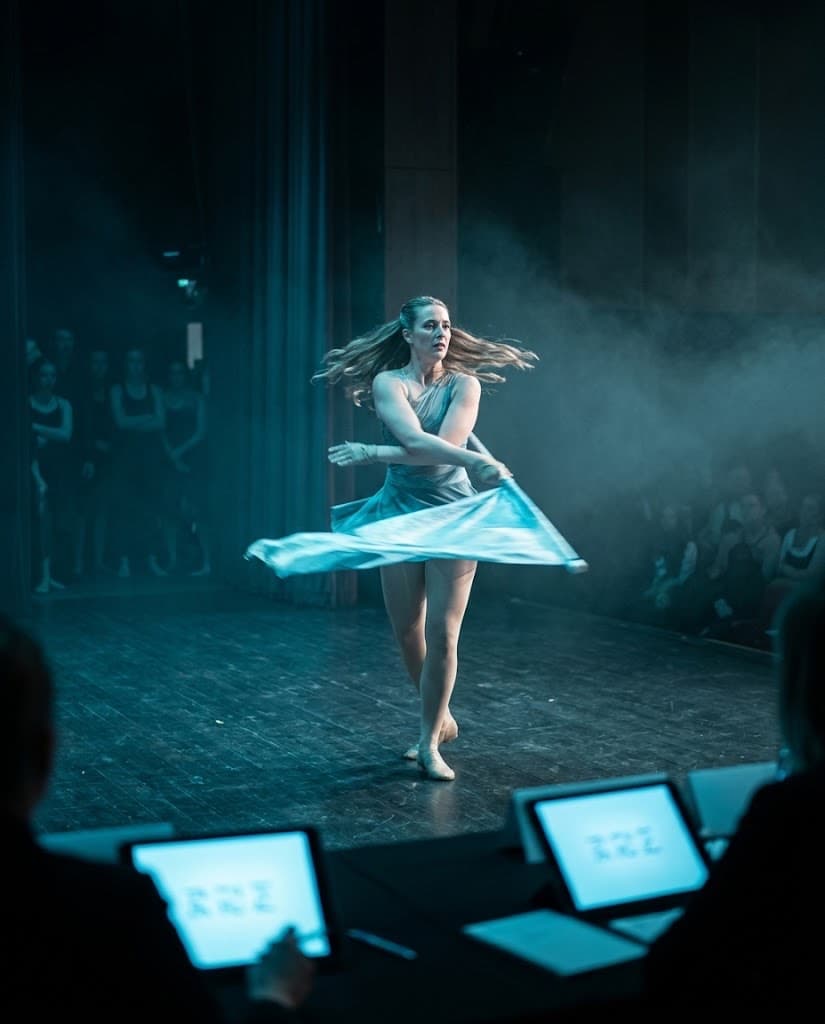
 How to run a dance competition

Start six months out
Most dance competitions are booked four to six months ahead. Schools plan their season early, and a date that clashes with exams or a big local event will cost you entries.
- ✓Pick a date and check it against local exam sessions and other competitions
- ✓Book a venue with a stage, dressing rooms, a warm-up space and enough seats
- ✓Decide which styles, ages and levels you will run
Write your rules and sections
Clear rules save hours of questions later. Set your age cut-off date, time limits for music, what counts as a solo, duet or group, and how ties are split.
- ✓Sections by style, age group and level
- ✓Music time limits per section
- ✓Entry fees, late fees and refund rules
- ✓How marks are given and how placings are decided
Open entries
Give schools four to six weeks to enter. Ask for music with each entry so you are not collecting files on the morning. Check every entry against your rules before it is paid, not after.
Build the running order
Once entries close, draw the order section by section. Balance it so no dancer is due on stage twice in a row, give quick changes time, and spread big groups across the day. Publish it at least a week before.
Brief your judges and helpers
Send judges the rules, sections and marking criteria in advance. Give every helper one job: the door, backstage, the music desk, results. A ten minute briefing on the morning stops most problems.
- ✓Door: tickets and wristbands
- ✓Backstage: calling dancers in order
- ✓Music desk: tracks in running order
- ✓Results: marks, ties and certificates
On the day
Open doors an hour before the first section. Keep the running order live so families know when the stage is running late. Publish results as each section ends rather than waiting until the end of the day.
After the event
Send results, marks and judges’ notes within a day. Pay any refunds, thank your helpers and ask schools what you could improve. Save your sections and rules to reuse next year.


