


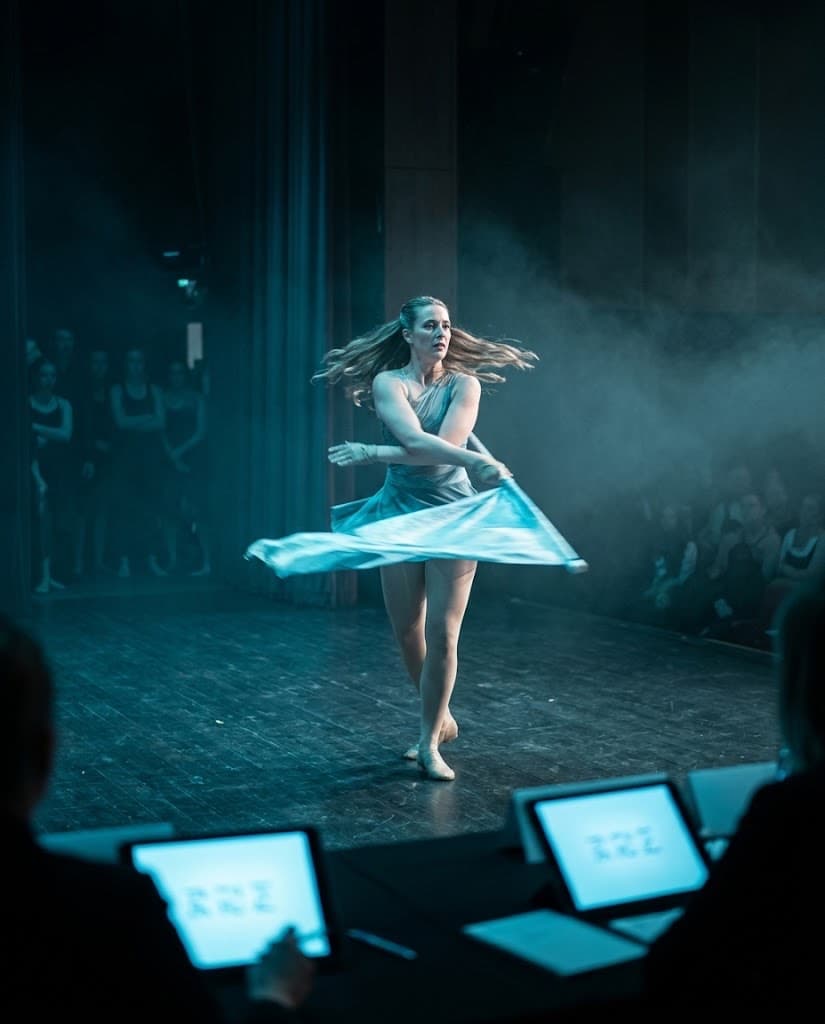
 How to judge a dance competition
Agree the criteria first
Judges mark more consistently when they know exactly what they are marking. Most dance competitions split marks into three or four areas.
- ✓Technique: placement, control, execution
- ✓Performance: expression, projection, connection with the audience
- ✓Choreography: use of music, space and structure
- ✓Presentation: costume, grooming, entrance and exit
Judges or an adjudicator?
Competitions usually use a panel of judges who each give a mark. Festivals often use a single adjudicator who gives a placing and written notes for every dancer. Choose the one that suits your event and say which in your rules.
Brief the panel
Send judges the sections, criteria and any deductions before the day. On the morning, agree how to treat falls, music problems and over-time routines so everyone marks the same way.
Handle ties
Decide in advance how ties are split. Common methods are the highest technique mark, the highest single judge’s mark, or the head judge’s decision.
Give useful feedback
A short note helps a dancer far more than a number alone. Ask judges to write one thing that went well and one thing to work on.
Publish marks carefully
Decide whether dancers see each judge’s marks or only the total and placing. Publish results as each section ends, and keep notes private to the dancer and their school.


